
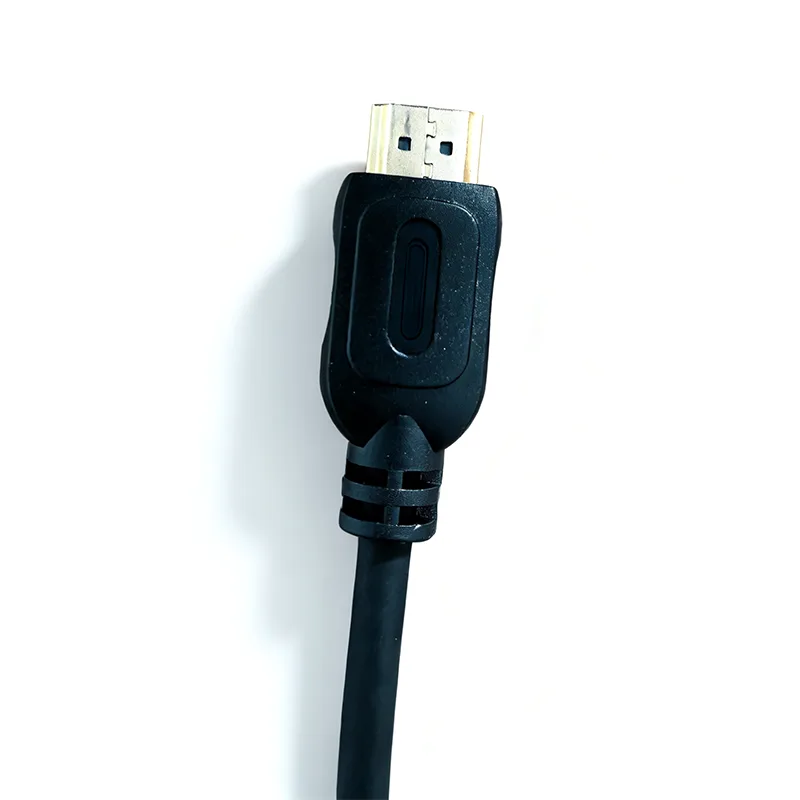
Consumer Electronics Wire Harness with HDMI Cable
1. Why Cable Termination Matters in HDMI Wiring
An HDMI connection must transfer digital audio and video signals between compatible devices while maintaining a secure physical connection. In integrated electronic equipment, the cable's termination method and routing requirements can be just as important as the connector itself.
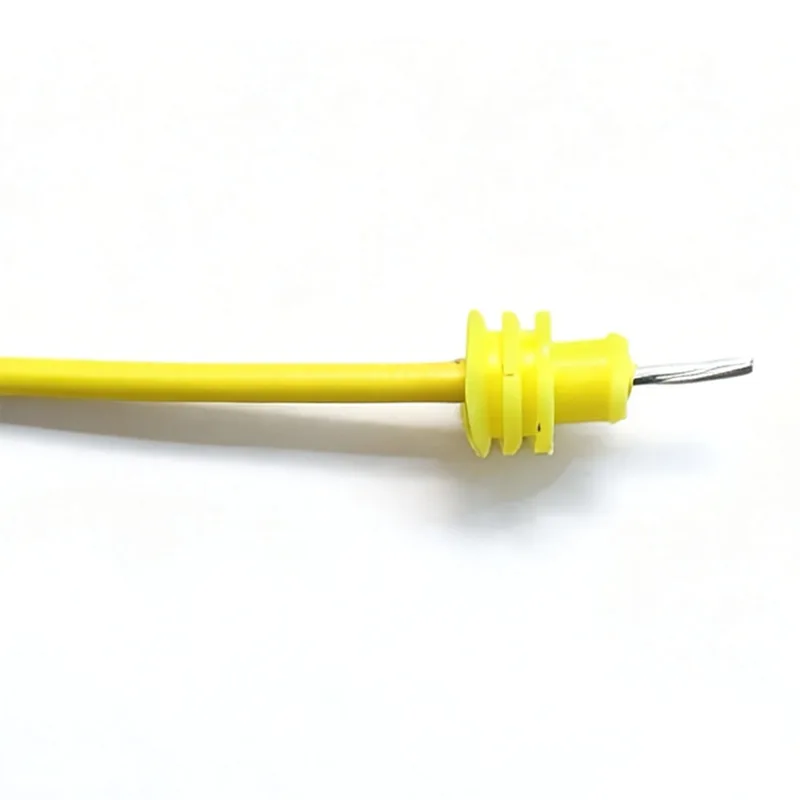
EKcraft's design uses a standard HDMI interface on one end, while the other end can be configured with pre-terminated terminals, tinned wires or additional connectors. This arrangement allows the harness to be adapted to different internal wiring layouts and equipment interfaces.
2. Structural Design for Everyday Connection Requirements
Integrated Injection-Molded Interface
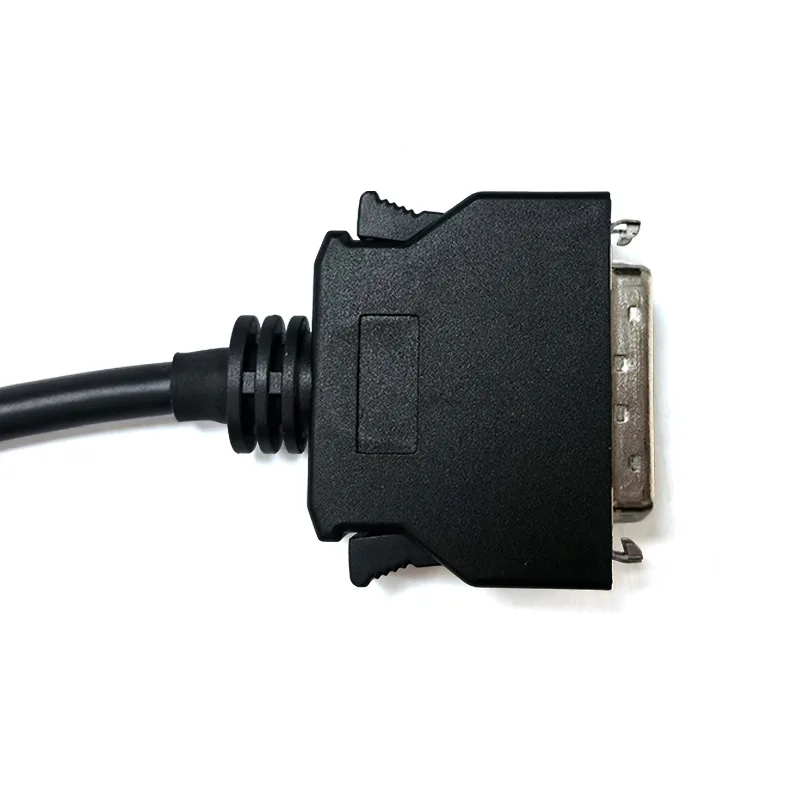
The interface tail uses an integrated injection-molded stress-relief structure. This design helps reinforce the transition between the cable and connector, where repeated movement and bending may otherwise place stress on the cable assembly.
Anti-Slip Connector Housing
The connector housing incorporates an anti-slip texture to support handling during insertion and removal. The reinforced interface area is designed for repeated connection cycles, although actual service life depends on handling practices and operating conditions.
Signal Transmission Considerations
The product is intended for high-definition audio and video connections. Signal performance depends on the complete cable construction, length, connector quality, HDMI version and the capabilities of the connected equipment. Confirm the required resolution, refresh rate and other transmission features before specifying the harness.
3. Customizable Technical Parameters
The manufacturer lists multiple customizable wiring parameters. These should be confirmed against the equipment design before a sample or production order is placed.
| Parameter | Customization | Information to Confirm |
|---|---|---|
| AWG | Customizable | Required wire gauge and electrical design requirements |
| Core Count | Customizable | Number of conductors required by the assembly |
| Terminal Type | Customizable | Terminal design and mating interface |
| Terminal Treatment | Customizable | Tinning or other specified termination treatment |
| Cable Length | Customizable | Required routing distance and installation allowance |
| Wiring Mode | Customizable | Connection layout and termination arrangement |
| Connector Type | Customizable | Required connector at the non-HDMI end |
| Wiring Quantity | Customizable | Required wire quantity for the target assembly |
4. Applications in Consumer Electronics and Display Systems
The product page identifies home entertainment, office displays, gaming and computer workstations as target applications. Its customizable termination can help integrate HDMI connectivity into products with different internal wiring requirements.
5. Customized HDMI Harness vs. Standard HDMI Cable
A conventional HDMI cable usually has HDMI connectors at both ends. A customized wire harness can combine an HDMI interface with a different termination on the other end, which may be useful when equipment requires a dedicated internal connection.
| Comparison Point | Standard HDMI Cable | Customized HDMI Wire Harness |
|---|---|---|
| End connections | Usually HDMI connectors at both ends | HDMI interface plus a configurable opposite end |
| Cable length | Selected from available standard lengths | Can be specified for the application |
| Termination | Generally fixed connector configuration | May use terminals, tinned wires or additional connectors |
| Integration | Suitable for standard external connections | Can accommodate equipment-specific wiring layouts |
| Design verification | Check cable and device compatibility | Check pinout, termination, signal performance and mechanical fit |
6. What to Confirm Before Ordering
1. Equipment compatibility: Identify the source device, display or other equipment and its required HDMI capabilities.
2. Cable length and routing: Provide the required length and explain any space or bending constraints in the installation.
3. Opposite-end termination: Specify whether the cable requires tinned wires, pre-terminated terminals or an additional connector.
4. Wiring specifications: Confirm AWG, core count, wiring mode, connector type and terminal treatment.
5. Signal requirements: Verify the required resolution, refresh rate, bandwidth and other features against the proposed cable assembly.
6. Sample validation: Check mechanical fit, connector orientation, pinout and signal operation before approving bulk production.
7. Frequently Asked Questions
It is a cable assembly that combines a standard HDMI interface with a configurable opposite-end termination for compatible electronic equipment.
Yes. The product page lists options such as pre-terminated terminals, tinned wires and additional connectors, subject to design confirmation.
Yes. AWG and cable length are listed as customizable parameters. Confirm the required values with the manufacturer.
Potential applications include compatible TVs, projectors, gaming systems, meeting-room displays and computer workstations.
The stress-relief structure is designed to strengthen the cable-to-connector transition, but service life still depends on bending, pulling and handling conditions.
Provide the required cable length, AWG, core count, connector type, terminal treatment, wiring mode, quantity and HDMI signal requirements.
Share your cable length, termination details and equipment requirements with EKcraft to discuss a suitable customized HDMI wire harness configuration.
View Product Details