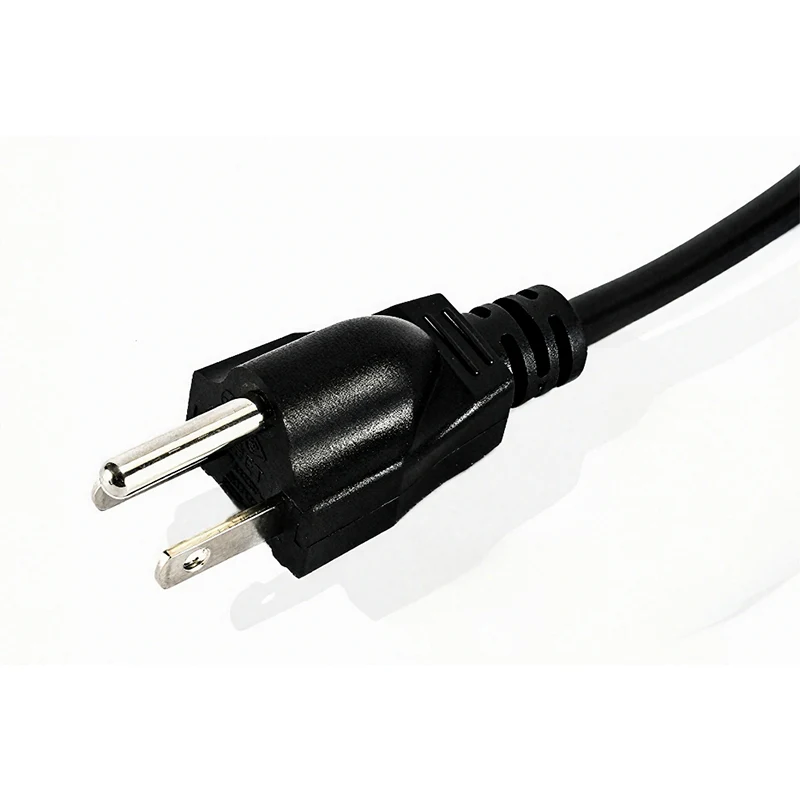
US AC Power Cord solutions are fundamental components in powering electrical and electronic devices across North America and global export markets. From household appliances to industrial equipment, understanding how US AC Power Cords work, their safety standards, and how to select the right one can significantly impact performance, reliability, and compliance.
This in-depth guide explores what a US AC Power Cord is, how it differs from other regional power cords, and why it plays a critical role in modern electrical systems. You will learn about different plug types, conductor materials, certifications, advantages and disadvantages, typical applications, and purchasing considerations. This article also highlights how Taicang EKcraft Electronics Co., Ltd. delivers reliable and compliant power cord solutions for global markets.
A US AC Power Cord is an electrical cable designed to connect devices to alternating current power sources using American-standard plugs. These cords typically feature NEMA plug configurations and are engineered for 125V or 250V power systems.
Unlike region-specific alternatives, US AC Power Cords prioritize safety, compatibility, and durability, making them a global benchmark in many industries.
The popularity of US AC Power Cords extends far beyond the United States. Their widespread use is driven by standardized design, strict safety compliance, and compatibility with internationally exported equipment.
US AC Power Cords come in multiple plug and connector configurations depending on voltage, current, and application requirements.
| Type | Plug Standard | Voltage Rating | Common Applications |
|---|---|---|---|
| NEMA 1-15 | 2-Prong | 125V | Small household devices |
| NEMA 5-15 | 3-Prong Grounded | 125V | Computers, monitors |
| NEMA 5-20 | Heavy Duty | 125V | Commercial equipment |
| NEMA 6 Series | High Voltage | 250V | Industrial machinery |
US AC Power Cords function by transmitting alternating current from a wall outlet to a device through insulated copper conductors. The grounding wire ensures excess current is safely discharged, reducing electrical hazards.
Manufacturers like Taicang EKcraft Electronics Co., Ltd. engineer these cords with precise conductor gauges and insulation materials to maintain optimal electrical performance.
Compliance with safety standards is critical for any US AC Power Cord entering the market.
Certified products ensure safe operation and regulatory acceptance in global markets.
US AC Power Cords are extensively used across industries:
For specialized applications, manufacturers like Taicang EKcraft Electronics Co., Ltd. offer custom configurations to meet unique requirements.
Selecting the correct US AC Power Cord involves evaluating:
Referencing trusted suppliers and checking technical guidance can reduce risks and ensure long-term reliability.
Taicang EKcraft Electronics Co., Ltd. specializes in manufacturing high-quality US AC Power Cords for international markets. With strict quality control, advanced production facilities, and compliance with global standards, the company provides dependable solutions for OEM and ODM clients.
Q: What makes a US AC Power Cord different from other power cords?
A: A US AC Power Cord follows American NEMA standards, offering defined voltage ratings, grounding protection, and certified safety compliance.
Q: Can a US AC Power Cord be used outside the United States?
A: Yes, with proper adapters or compatible outlets, US AC Power Cords are widely used in exported equipment.
Q: Are all US AC Power Cords UL certified?
A: Not all, but reputable manufacturers like Taicang EKcraft Electronics Co., Ltd. provide UL-certified products.
Q: How long does a US AC Power Cord typically last?
A: With proper use, high-quality cords can last several years without performance degradation.
Q: What wire gauge is best for a US AC Power Cord?
A: The ideal gauge depends on current load, typically ranging from 18AWG to 14AWG.