High-temperature environments can gradually affect wire insulation, terminal connections, and signal stability in industrial equipment. A properly designed high-temp wire harness helps protect signal connections by matching insulation materials to operating conditions, reducing unnecessary wiring stress, and providing suitable connection configurations. In this article, EKcraft explains the key design considerations for industrial sensors, PLCs, and compact control systems.
In industrial equipment, signal cables are not always installed in comfortable operating conditions. They may run close to heating components, motors, power modules, or other parts that generate heat during continuous operation. In compact equipment, limited installation space can also make it difficult to keep wiring away from these heat sources.
Temperature exposure matters because a wire harness is more than a conductor. Its insulation, connection points, terminals, and protective components all contribute to the performance of the complete assembly. If one part is unsuitable for the actual operating environment, the entire connection can become a weak point.
From our experience working with industrial connection requirements, we pay particular attention to three potential problems:
These risks are not determined by temperature alone. The actual result depends on exposure duration, temperature fluctuations, material selection, and the installation environment. For this reason, we recommend evaluating the complete wire harness assembly rather than selecting a cable based on insulation material alone.
A high-temp wire harness improves connection reliability by providing a wiring structure suited to the equipment's thermal and installation conditions. For industrial sensor and control applications, several design factors deserve attention.
The insulation material forms the protective layer around the conductor. In areas exposed to elevated temperatures, the selected insulation must be suitable for the actual working temperature and exposure duration. Silicone-insulated wiring is one option used in high-temperature connection designs because of its flexibility and temperature-resistant properties.
However, specifying silicone insulation does not automatically establish the temperature rating of the complete harness. Terminals, connectors, sleeves, and other components must also be compatible with the intended operating conditions. Technical guidance from LAPP's sensor wiring documentation illustrates why cable materials and connection components need to be considered together.
Industrial sensors and small control modules often have limited internal space. A rigid or poorly configured cable can make installation difficult and may create unnecessary bending or pulling forces around the connection points.
A suitably flexible wire harness can follow the equipment's internal routing path more easily. This is useful when connecting a sensor probe to a data processing module or routing short signal cables inside a compact PLC enclosure.
Even when the cable itself is appropriate for a high-temperature environment, an unsuitable terminal or connection method can compromise the assembly. Terminal type, stripping length, crimping method, and connector compatibility should therefore be defined according to the equipment design.
For this reason, we treat termination details as part of the wire harness specification, not as a minor assembly decision made after the cable has been selected.
An excessively long cable can create unnecessary loops inside an enclosure, while a cable that is too short may remain under tension after installation. Both conditions can complicate assembly and place additional stress on connection points.
Defining the required cable length, connection direction, and terminal arrangement before production helps the finished harness fit the intended equipment layout more consistently.
At EKcraft, our Industrial Intelligence High-Temp Signal Connection Wire Harness is designed for short-distance signal connections inside industrial intelligent equipment, particularly where local heat exposure and limited installation space need to be considered.
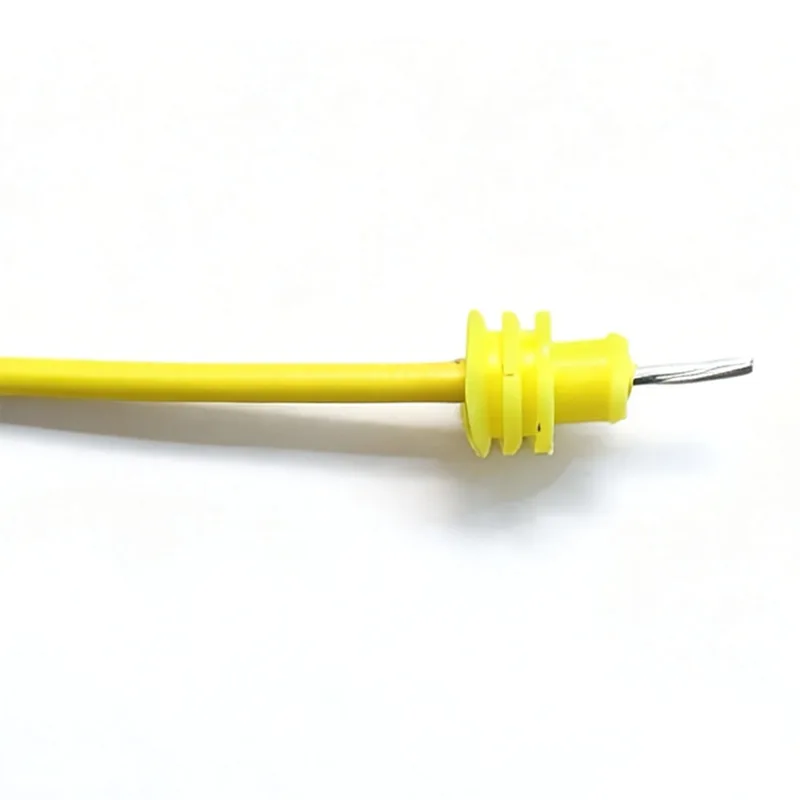
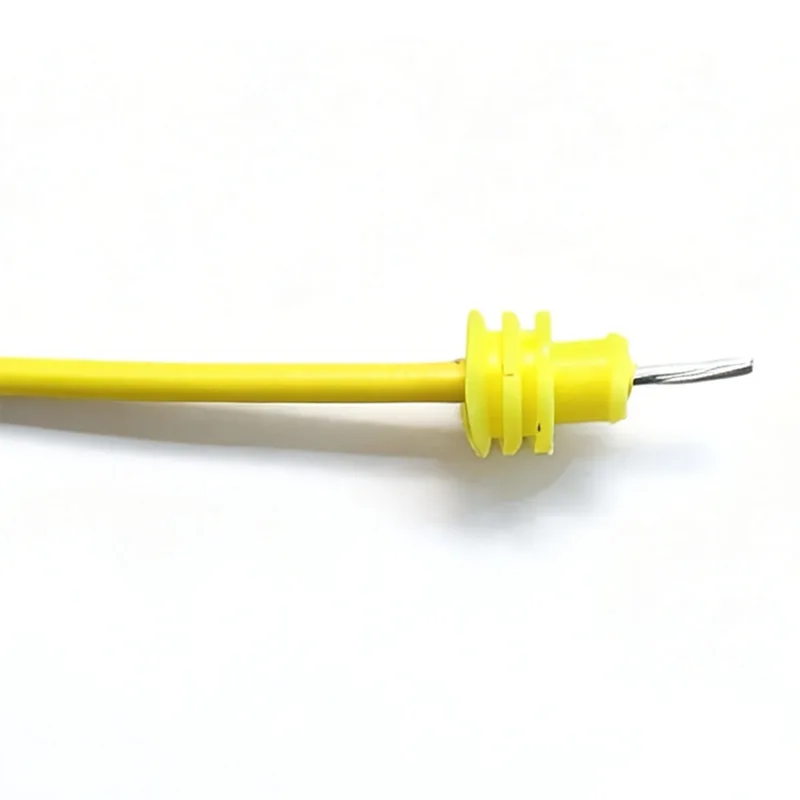
The product uses a practical two-end configuration: one end is fitted with a yellow silicone protective sleeve for the designated high-temperature area, while the other end has an exposed cable section that can be stripped or fitted with a customized terminal according to the installation requirements.
| Design Item | Product Configuration | Practical Purpose |
|---|---|---|
| Protective end | Yellow silicone protective sleeve | Provides protection around the designated cable section in a locally heated area. |
| Connection end | Exposed cable end | Can be stripped or processed with a customized terminal. |
| Installation design | Compact, lightweight structure | Supports short-distance wiring in equipment with limited internal space. |
| Environmental characteristics | Temperature resistance, corrosion resistance, and aging resistance | Designed for demanding industrial connection environments. |
| Customization | Wire gauge, core count, length, terminal, and connector options | Allows the harness configuration to match different equipment layouts. |
One important point is that the yellow silicone sleeve should not be treated as a substitute for defining the complete thermal requirements. The working temperature, exposure duration, and compatibility of all connection components still need to be confirmed for each application.
High-temperature signal connection wire harnesses are particularly useful when a sensor or control component must communicate with another module inside a compact machine. The following applications reflect the intended use scenarios of our product.
A sensor probe may be installed close to a heated component, while its data processing module is positioned in a cooler section of the equipment. A short, appropriately protected signal harness connects these two parts. Cable length, end processing, and routing direction should be coordinated with the sensor installation layout.
Inside a small programmable logic controller or related control unit, several signal connections may need to share a restricted space. A compact wire harness with a defined core count and terminal arrangement can make internal wiring more organized and easier to assemble.
Detection equipment operating near heated components needs wiring that is suitable for the local thermal environment. Selecting the right insulation and protective structure helps reduce the risk of premature material deterioration during service.
Some control units require flexible signal connections between closely positioned components. A customized harness can be made to suit the available installation space, connection direction, and required cable length, helping avoid unnecessary wiring loops.
There is no single wire harness configuration that fits every industrial device. Before production, we recommend confirming the following details with the equipment drawing or an existing sample.
| Specification | Information to Confirm | Why It Matters |
|---|---|---|
| Wire gauge | Required AWG size | Must match the electrical and physical requirements of the circuit. |
| Core count | Number of conductors | Determines how many signal paths the harness can accommodate. |
| Cable length | Overall length and any branch dimensions | Helps ensure correct fit and avoids excessive tension or surplus cable. |
| Terminal type | Terminal model and connection requirements | Ensures compatibility with the equipment interface. |
| Terminal processing | Stripped end, crimped terminal, or other specified treatment | Defines how the harness will be installed and connected. |
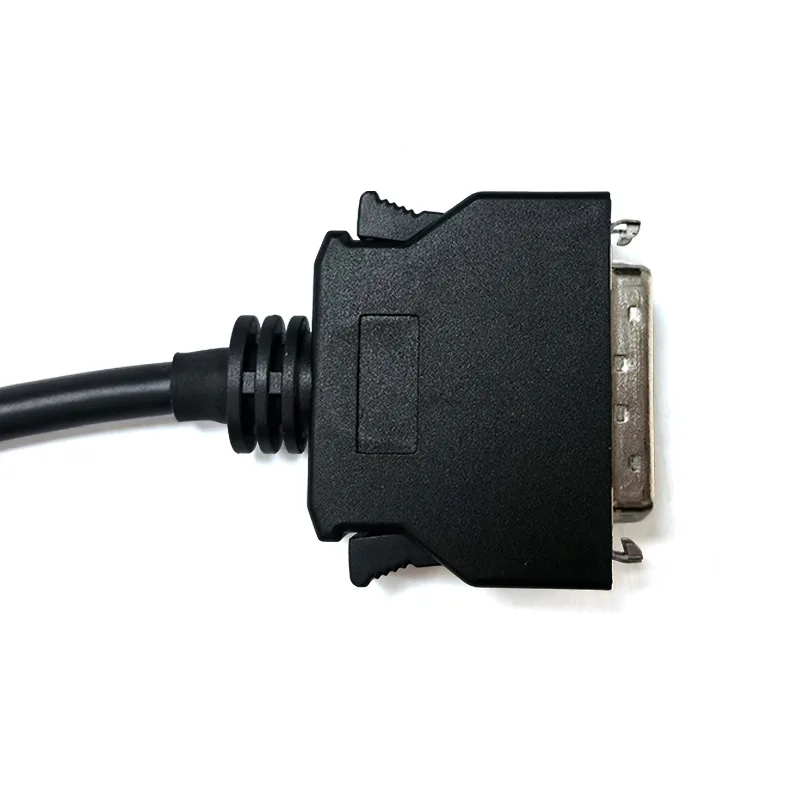
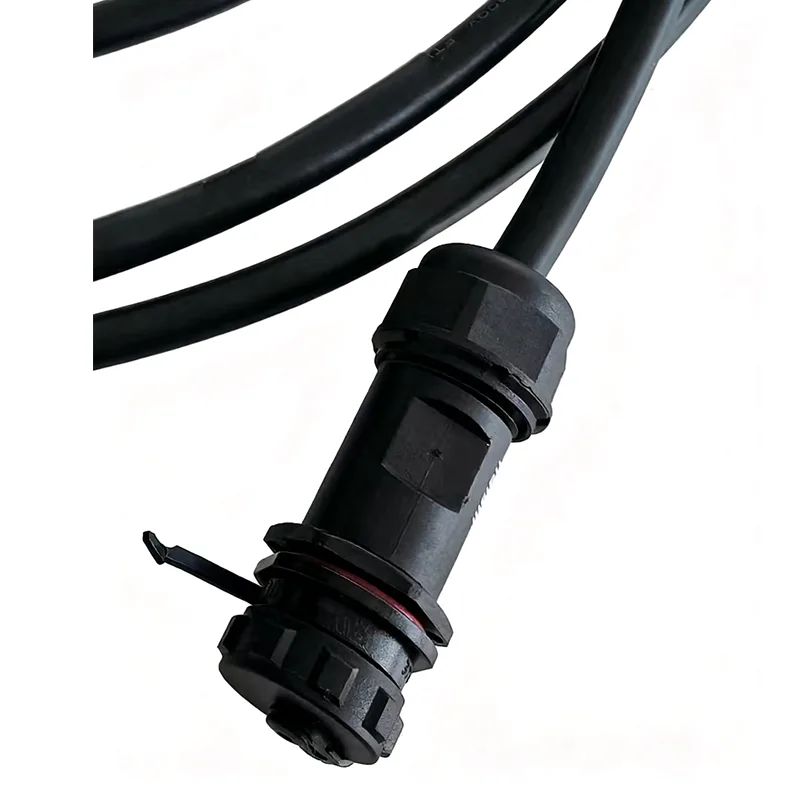
| Connector type | Connector model and connection arrangement | Helps prevent mismatches during equipment assembly. |
| Wiring method | Connection sequence and installation direction | Supports correct integration into the control system. |
| Harness quantity | Required production quantity | Helps determine the appropriate manufacturing arrangement. |
For a customized Industrial Intelligence High-Temp Signal Connection Wire Harness, we recommend providing a wiring diagram, dimensional drawing, terminal reference, or physical sample whenever possible. These details help clarify the connection structure before manufacturing and reduce avoidable revisions during assembly.
When evaluating a high-temperature wire harness, we suggest starting with the actual equipment conditions rather than choosing a product based on its name or appearance. A practical selection process includes the following checks:
We also recommend checking the finished assembly against the equipment's actual operating requirements. A material specification alone cannot replace application-specific verification, particularly when the harness is installed near a concentrated heat source.
Taicang EKcraft Electronics Co., Ltd. was established in 2008 and has developed its product range around wire harnesses and electronic components, including capacitors, inductors, and transformers. Our products serve applications such as power tools, pressure washers, green energy equipment, elevators, and communication systems.
For industrial wire harness projects, we focus on matching the connection configuration to the equipment's actual requirements. Customers can specify AWG, core count, cable length, terminal type, terminal processing, wiring method, and connector type. This makes it possible to develop a harness for a particular sensor connection, PLC installation, or compact control unit rather than relying on a general-purpose configuration.
Our Industrial Intelligence High-Temp Signal Connection Wire Harness is intended for applications that require compact wiring and protection in locally heated areas. By confirming the operating environment and connection details early, we can work toward a configuration that is easier to integrate into the customer's equipment.
A high-temperature signal wire harness is an electrical connection assembly designed for signal transmission in environments where wiring may be exposed to elevated temperatures. Its insulation, protective structure, and connection components should be selected according to the actual application conditions.
Silicone is used in certain high-temperature wiring applications because it can provide temperature-resistant insulation and flexibility. Its suitability depends on the specific silicone formulation and operating conditions. The terminals, connectors, and other components must also meet the application's requirements.
Yes. The product is intended for short-distance signal connections, including connections between precision sensor probes and data processing modules. The wire gauge, core count, cable length, and end treatment should be confirmed according to the sensor and control module interfaces.
Yes. The exposed end can be stripped or processed with a customized terminal. The terminal type and processing method should be specified according to the equipment's connection requirements.
Useful information includes AWG, core count, cable length, terminal type, terminal processing, connector type, wiring method, and required quantity. A drawing, wiring diagram, or physical sample can also help clarify the intended configuration.
No. The complete assembly's temperature suitability depends on all relevant components, including the wire insulation, terminals, connectors, protective sleeves, and connection interfaces. The actual operating temperature and exposure duration must be considered together.
It can be used for short-distance internal signal connections in compact PLC systems when its electrical specifications, connection layout, and thermal suitability match the equipment design.
High-temperature signal reliability depends on more than choosing a heat-resistant cable. Insulation performance, connection design, cable routing, and component compatibility all influence how a wire harness performs inside industrial equipment.
At EKcraft, we approach the Industrial Intelligence High-Temp Signal Connection Wire Harness as an application-specific connection solution. By defining the operating environment and customization details before production, equipment manufacturers can select a more suitable harness configuration for industrial sensors, PLCs, and compact intelligent control systems.